Color Bar Number -6: A Designer’s Stitch Review
When evaluating a new machine embroidery design for commercial or personal use, I look beyond the digital preview. As an experienced designer and product reviewer, my primary concern is how the file translates from screen to fabric. The Color Bar Number -6 presents itself as a specialized fill stitch font digitized specifically for smooth stitching and professional results. In the world of custom apparel and personalized goods, typography can make or break a project. This review breaks down how this specific numeric design performs in real-world scenarios, focusing on stitch integrity, visual appeal, and practical application for makers and business owners.
First Impressions and Visual Personality
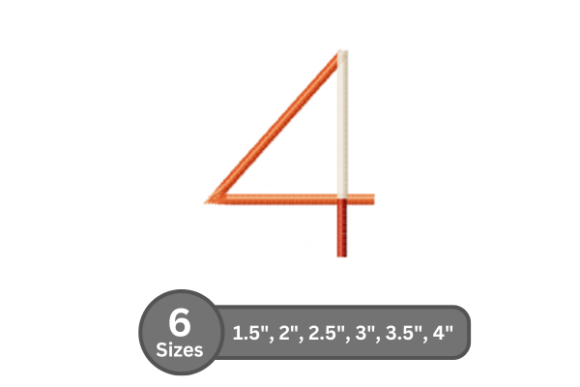
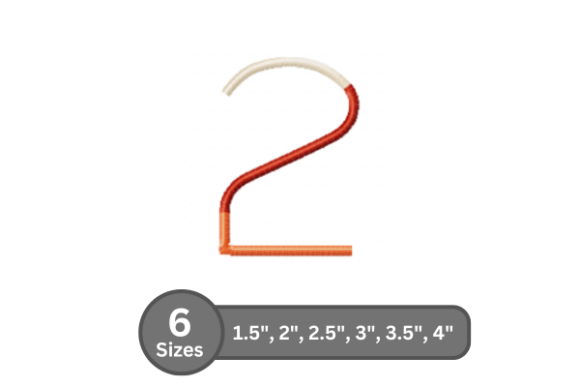
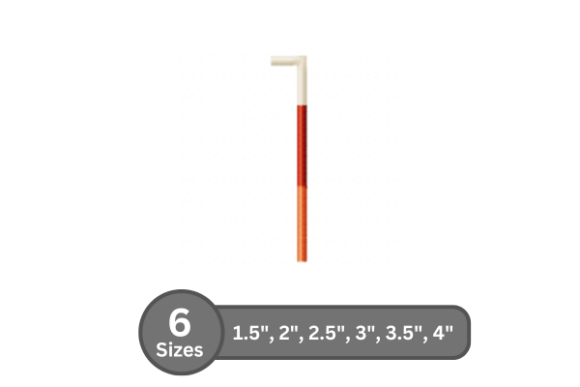
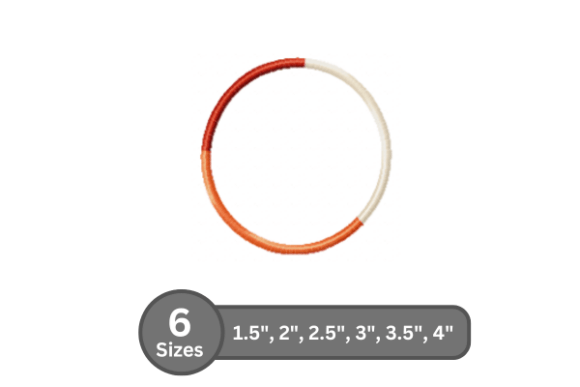
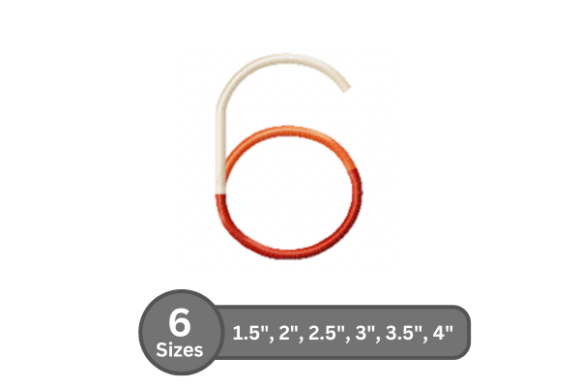
Upon loading the embroidery file, the first thing that stands out is the deliberate construction of the numeral. Unlike generic system fonts converted automatically into stitches, Color Bar Number -6 exhibits the intentional pathing of a dedicated digitizer. The mood is structured yet approachable, making it highly suitable for the School category without feeling juvenile. It strikes a balance between athletic boldness and clean modern aesthetics.
The shape and layout suggest versatility. It does not rely on excessive decorative elements that might clutter small spaces, nor is it so stark that it lacks character. For an Etsy seller or handmade shop owner, this visual personality is crucial. It communicates quality before the customer even touches the finished product. The fill stitch areas appear uniform in the software, indicating that the stitch density has been managed to prevent puckering on lighter fabrics while maintaining coverage on darker materials. This attention to detail suggests the design was created with actual production in mind, rather than just digital display.
Real-World Application: The Varsity Tote Test
To truly judge the utility of Color Bar Number -6, I mentally applied it to a current client request: a series of personalized canvas tote bags for a university alumni association. This scenario tests the design's limits regarding scale, fabric texture, and legibility. Canvas is a textured, unforgiving material that can swallow fine details, while the "varsity" aesthetic requires bold, confident lines.
In this context, the fill stitch construction of Color Bar Number -6 shines. Because it avoids complex satin stitch borders that might tunnel or distort on heavy canvas, the number maintains its structural integrity. The design feels substantial enough to serve as the focal point of the tote bag design. For a small business owner fulfilling bulk orders, this reliability reduces the risk of mis-stitches and rework. The number reads clearly from a distance, which is essential for merchandise intended to be seen in public settings. Furthermore, the style bridges the gap between nostalgic school spirit and contemporary boutique fashion, increasing the perceived value of the item for the end recipient.
Performance Across Diverse Substrates
Beyond tote bags, this numeric design shows promise across various embroidery projects. Its clean geometry makes it an excellent candidate for sweatshirt embroidery, where stretch fabrics often challenge rigid lettering. The fill stitch allows for some flexibility, reducing the chance of thread breaks or fabric distortion during the stitching process. For baby embroidery items, such as bibs or blankets, the lack of sharp, protruding edges makes it safer and softer against sensitive skin, provided the backing is trimmed neatly.
For those creating holiday embroidery or seasonal decor, the neutral but distinct style of Color Bar Number -6 allows it to adapt to different color palettes. Whether stitched in metallic gold for a festive ornament or matte navy for a father’s day gift, the form holds up. Commercial embroidery shops will appreciate this adaptability, as it reduces the need to purchase separate numeric sets for every niche. It serves as a reliable workhorse asset in a digital library.
Navigating Technical Limitations and Fabric Choices
No design is universal, and professional judgment requires acknowledging where Color Bar Number -6 demands caution. While optimized for smooth stitching, the fill stitch nature means it has a minimum viable size. Scaling this number down too far for tiny labels or sleeve cuffs may result in lost definition or thread buildup. Always verify the recommended dimensions within your specific embroidery software before committing to a run.
Fabric choice dictates success. On high-pile textures like terry cloth towels or fleece, the fill stitch may sink into the nap. In these cases, using a water-soluble topping is non-negotiable to keep the design crisp. Conversely, on very thin or sheer fabrics, the stitch density could cause tearing if the appropriate lightweight stabilizer is not used. I would advise against using this specific number on curved surfaces like caps unless you have tested it first; flat-fill designs sometimes struggle to conform to the radial curve of a hat brim without modification.
Additionally, consider the washing requirements. If you are producing kitchen towels or children's clothing that will face frequent laundering, ensure your thread tension is balanced. Loose fill stitches can snag over time. Testing on scrap fabric that mimics your final product is the only way to guarantee longevity.
Elevating Brand Value and Customer Trust
For creative entrepreneurs, the choice of typography signals brand maturity. Using a well-digitized asset like Color Bar Number -6 demonstrates a commitment to quality that customers subconsciously recognize. When a personalized gift features clean, professional stitching, it validates the buyer's decision to choose handmade over mass-produced. This directly impacts reviews and repeat business.
In digital marketplaces, presentation is everything. When creating printable mockups or listing photos, this number photographs well due to its clear contrast and defined edges. It avoids the "amateur" look of jagged auto-digitized text. For sellers offering custom options, having a reliable numeric set streamlines the proofing process. You can confidently show clients a digital preview knowing the physical output will match their expectations. This consistency builds trust and reduces friction in the sales cycle.
Essential Designer Notes for Success
Before integrating Color Bar Number -6 into your production line or personal studio, adhere to these practical guidelines:
- Test Stitch First: Never assume factory settings are perfect for your specific machine and fabric combination. Run a test on scrap material to check tension and registration.
- Verify Licensing: Confirm whether your purchase includes commercial rights for selling finished products or if it is limited to personal use. This is critical for Etsy sellers and business owners.
- Check File Compatibility: Ensure the format matches your machine. While most formats are universal, conversion can sometimes alter stitch paths.
- Stabilizer Selection: Match your stabilizer weight to the fabric, not just the design. A medium-weight cutaway is generally safe for knits, while tear-away works for stable wovens.
- Contrast Check: View the design in black and white within your software to ensure the internal stitch texture provides enough definition independent of color changes.
- Hoop Size Verification: Confirm the design fits your available hoops with adequate margin for the presser foot. Crowding the hoop edge leads to alignment errors.
Ultimately, Color Bar Number -6 represents a thoughtful intersection of aesthetic appeal and technical functionality. It respects the limitations of thread and fabric while providing a versatile tool for personalization. Whether you are marking school uniforms, branding boutique merchandise, or crafting a sentimental gift, this design offers the reliability required for professional results. By understanding its strengths and respecting its parameters, makers can leverage this asset to create embroidered pieces that stand the test of both wear and time.