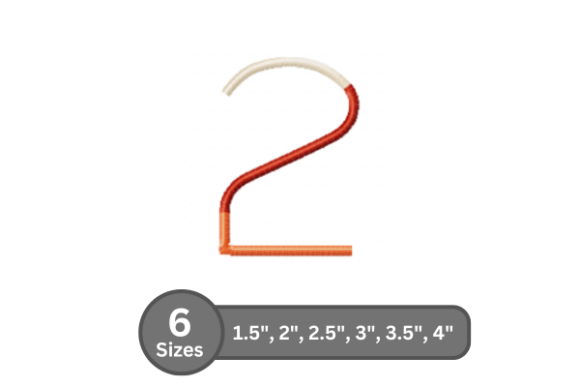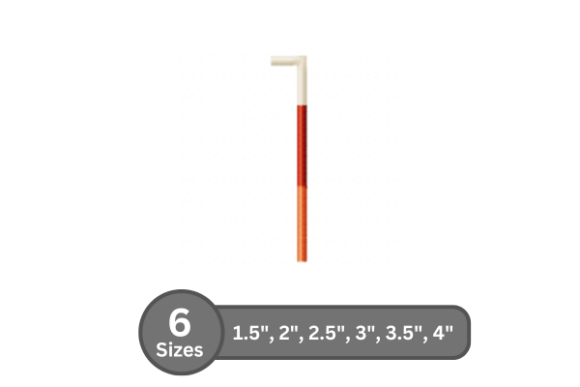
Color Bar Number -1: An Embroidery Designer Review
As a professional embroidery designer who frequently sources assets for both client commissions and my own Etsy shop, I am always evaluating new fonts to see if they can withstand the rigors of commercial production. When I first encountered Color Bar Number -1 on Creative Fabrica, I was immediately drawn to its structured aesthetic. This is not your standard script or block font; it carries a distinct visual weight that suggests organization, academia, and retro sportswear. After downloading this machine embroidery design and running it through my machine for a real-world project evaluation, I want to share my honest technical assessment for fellow creators, apparel decorators, and small business owners.
First Impressions and Visual Character
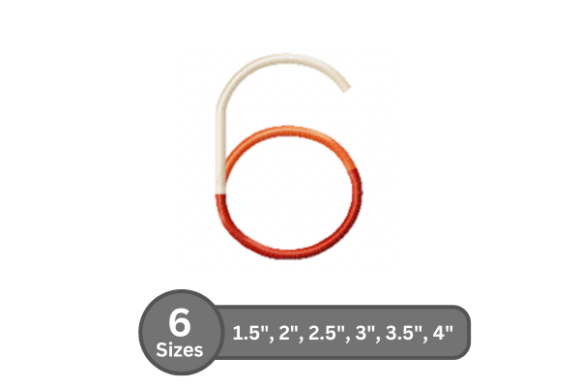
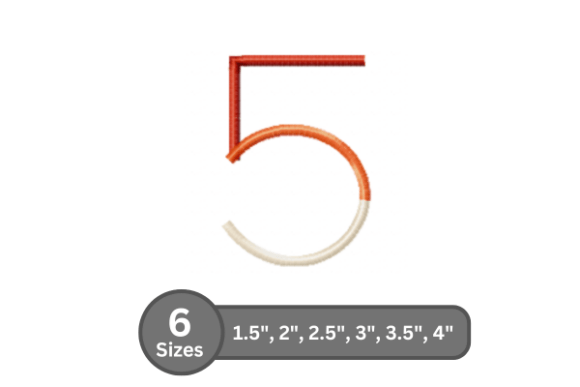
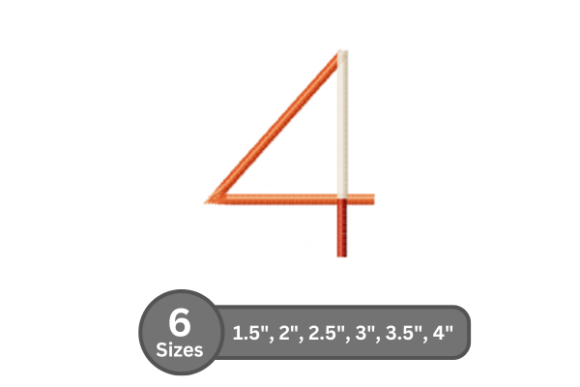
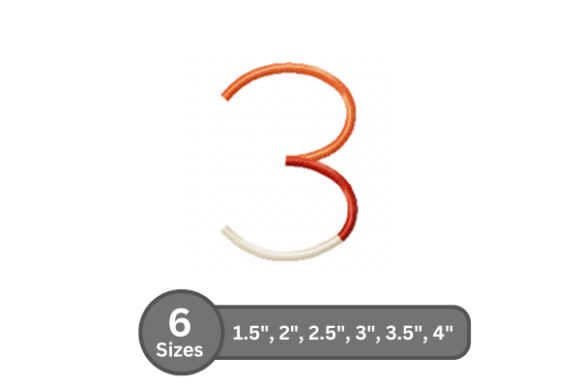
The initial appeal of Color Bar Number -1 lies in its bold, segmented appearance. As a fill stitch font, it avoids the high-density pitfalls of traditional satin columns while offering superior coverage on textured fabrics. Visually, it evokes a varsity or school spirit vibe without feeling dated. For designers creating custom apparel or collegiate-style merchandise, this digitizing style provides a clean, professional look that photographs exceptionally well for printable mockups.
Unlike thinner fonts that can get lost on heavy canvas or fleece, this design has enough presence to stand alone as a focal point. The "bar" construction implies stability, making it an excellent choice for projects where readability is paramount. Whether you are designing for a boutique merchandise line or a specific School organization, the font communicates clarity and intentionality. It feels less like a decorative afterthought and more like an integral part of the garment’s architecture.
Performance on Apparel and Textiles
I tested Color Bar Number -1 specifically for a batch of heavyweight tote bags and cotton sweatshirts intended for a fall collection. In commercial embroidery, consistency is key, and this file performed reliably across different substrates.
Tote Bags and Canvas Goods
For tote bag design, fill stitches are often superior to satin stitches because they do not pull or distort the rigid canvas weave. Color Bar Number -1 laid down smoothly on 12oz cotton canvas. The stitch density appeared balanced; it provided full opacity without creating a bulletproof patch that could cause needle deflection or fabric puckering. If you are selling personalized market bags, this font offers a crisp, handmade product feel that justifies a higher price point than generic heat-transfer vinyl alternatives.
Sweatshirts and Stretchy Fabrics
Embroidering on fleece requires careful stabilizer management. During my test on a cotton-poly blend sweatshirt, the design maintained its structural integrity. Because it is a fill stitch rather than a dense satin, it moves better with the fabric. However, users should note that proper stabilization is non-negotiable here. I used a medium-weight cutaway stabilizer hooped with the fabric, plus a light tear-away topping to prevent the stitches from sinking into the fleece nap. The result was a sweatshirt embroidery sample that felt soft against the skin rather than stiff and scratchy.
Technical Considerations for Digitizers
While Color Bar Number -1 is marketed as carefully digitized for smooth stitching, every machine and material combination is unique. Here are practical notes for integrating this digital embroidery file into your workflow:
- Stitch Density Check: Before running a full production order, inspect the density settings in your software. While the file is optimized, you may need to adjust compensation based on your specific thread brand and tension.
- Hoop Size Verification: Always confirm the dimensions fit your hoop before purchasing. This font is designed for impact, so ensure you have adequate space for the intended scale without needing excessive re-hooping.
- Small Detail Limitations: Due to the nature of fill stitch bars, scaling this font down too small can result in muddy registration. Test the minimum legible size on scrap fabric. It excels at medium-to-large sizes but may struggle with tiny text on collar tags or cuffs.
- Thread Color Contrast: The segmented bar design relies on visual separation. High-contrast thread colors work best to define the individual segments. Tone-on-tone embroidery looks sophisticated but requires perfect tension to avoid losing the definition of the bars.
Commercial Viability and Product Value
For Etsy sellers and creative entrepreneurs, the value of a font extends beyond aesthetics; it must drive sales. Color Bar Number -1 enhances perceived value because it looks custom-digitized rather than typed. When customers browse listings, they can distinguish between generic clipart and intentional design assets.
This font is particularly effective for niche markets. Consider using it for:
- Graduation and Alumni Gear: The academic styling makes it perfect for class years and department names.
- Kitchen and Home Linens: On tea towels or aprons, the bold numbers serve as functional labeling (e.g., recipe measurements or family name establishment dates) while adding decorative flair.
- Patches and Badges: The solid fill construction creates a sturdy base for embroidered patch creation, especially when combined with a merrowed edge or border stitch.
- Nursery Decor: While often associated with school themes, the geometric simplicity works beautifully for modern nursery wall hangings featuring birth weights or times, provided the color palette is softened.
Furthermore, consistent use of distinctive typography like this builds brand recognition. If your shop becomes known for this specific retro-modern numbering style, customers will return for that signature look. It also translates beautifully to product photography; the bold lines read clearly even in thumbnail images on mobile devices, which is crucial for click-through rates.
Practical Workflow Advice
Before listing any finished product made with Color Bar Number -1, I strongly advise conducting a wash test. Fill stitches can sometimes shrink differently than the base fabric. Wash and dry your test swatch exactly as you would instruct your customers to care for the item. This ensures that the personalized gift or apparel you sell remains high-quality after laundering.
Additionally, always review the licensing terms directly on the Creative Fabrica product page. Licensing for digital files can change, and verifying whether you have rights for physical end-product sales versus digital redistribution is essential for protecting your business. Never assume license terms based on similar products; check the specific details for this Creative Fabrica embroidery asset.
Final Verdict for Makers
Color Bar Number -1 is a robust addition to any embroiderer's library, particularly for those focusing on apparel, bags, and school-related merchandise. Its fill stitch construction solves many common problems associated with satin stitch distortion on difficult fabrics, making it a reliable workhorse for daily production. While it requires standard best practices regarding stabilization and sizing, the professional results justify the investment.
For designers seeking to elevate their handmade product offerings with typography that feels substantial and purposeful, this font delivers. It bridges the gap between vintage nostalgia and modern craftsmanship, allowing you to create items that resonate with buyers looking for quality and character. As with any tool, success depends on your testing and application, but as a foundational design element, Color Bar Number -1 earns its place in the studio.