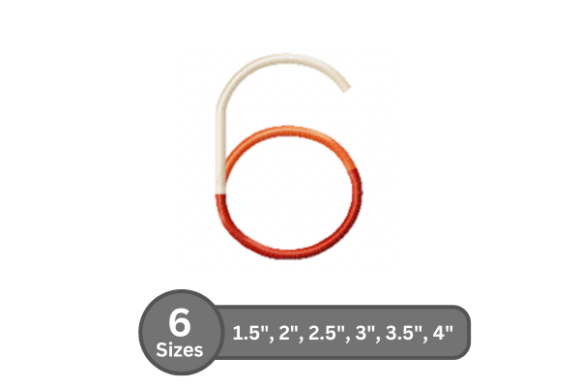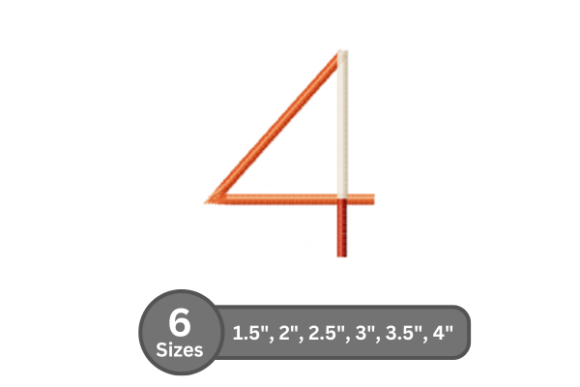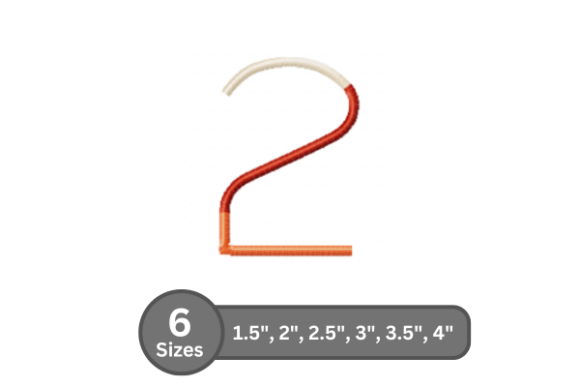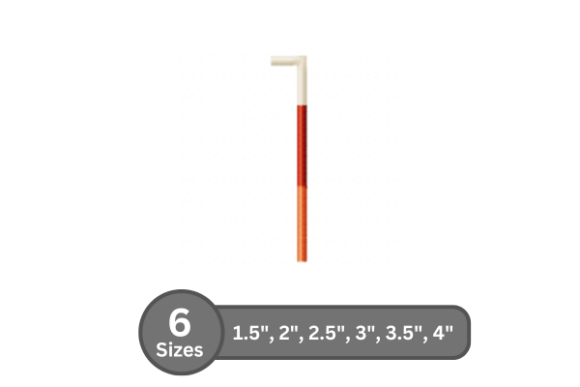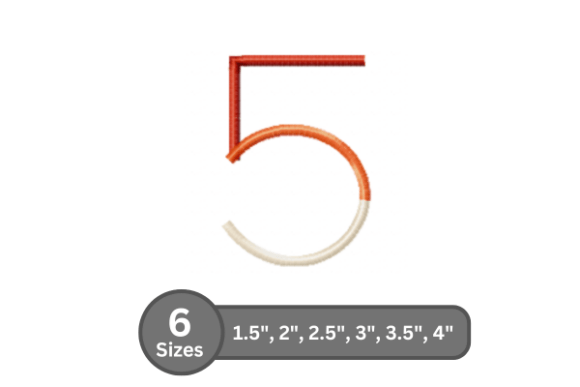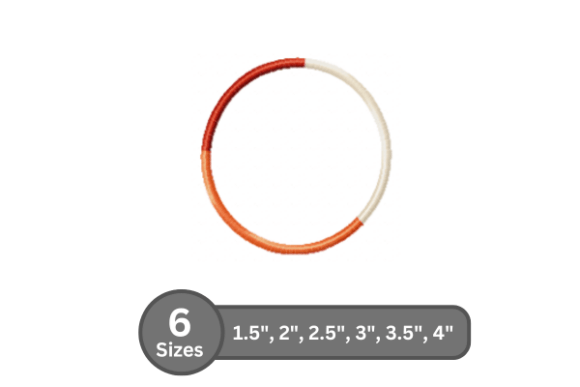
Color Bar Number -0: A Designer’s Review
As an embroidery designer constantly curating collections for boutique apparel, I approach every new digitized font with a critical eye. When planning a seasonal line of sweatshirts and hoodies, the typography chosen can define the entire brand aesthetic. Recently, while sourcing assets on Creative Fabrica for an upcoming school-inspired collection, I evaluated Color Bar Number -0. This review reflects my professional assessment of this fill stitch embroidery font specifically for commercial apparel projects, focusing on its viability for small business owners and Etsy sellers looking to elevate their handmade products.
First Impressions: Visual Mood and Stitch Personality
Upon loading the digital embroidery file into my software, the first thing that stands out about Color Bar Number -0 is its distinct structural integrity. Unlike standard satin stitch numbers that can sometimes look thin or dated on heavy garments, this design utilizes a fill stitch technique. This immediately signals a modern, sporty, and substantial aesthetic. For a boutique brand aiming for a premium varsity or retro-academic vibe, this visual weight is essential.
The personality of this machine embroidery design strikes a balance between playful and classic. It does not feel overly childish, which makes it versatile for adult-sized oversized sweatshirts as well as youth apparel. The "bar" element suggests a blocky, confident silhouette that reads exceptionally well from a distance. For lifestyle product photos and social media graphics, this boldness ensures the number remains legible even when the garment is photographed in motion or styled loosely. It possesses a decorative strength that allows the number itself to serve as the primary graphic element without needing excessive embellishment.
Performance on Sweatshirts and Hoodie Designs
When preparing a hoodie design collection, fabric texture is the primary variable. Fleece and French terry fabrics have a pile that can swallow fine details. Because Color Bar Number -0 is digitized with fill stitches, it sits atop the fabric nap more effectively than thinner alternatives. In my assessment, this makes it an ideal candidate for center chest placements on neutral sweatshirts and pastel hoodies.
For dark apparel, such as navy or charcoal fleece, the fill stitch construction provides excellent coverage. However, designers must consider thread colors carefully. A tonal approach (e.g., cream thread on an oatmeal sweatshirt) creates a sophisticated, high-end boutique look, while high-contrast combinations lean more toward traditional school spirit wear. The density of this embroidery file appears sufficient to prevent the fabric grain from showing through the stitches, which is a common failure point in commercial embroidery on knit fabrics.
Versatility Across Apparel and Accessories
Beyond standard sweatshirt embroidery, this font shows promise for diverse product lines. For tote bag designs, the sturdy nature of the fill stitch complements canvas textures beautifully. The geometric simplicity of Color Bar Number -0 aligns well with the utilitarian trend in custom apparel. Similarly, for denim jackets, the structured number contrasts nicely against the twill weave, offering a rugged yet refined customization option.
For Etsy sellers creating personalized merchandise, this font offers scalability in application. While primarily reviewed here for numbers, the stylistic cues suggest it would pair well with simple block lettering for names or graduation years. This consistency helps build brand identity across different SKUs, from baby onesies to adult loungewear. When using printable mockups to list items before production, the clean lines of this design translate accurately to digital previews, helping set correct buyer expectations regarding the finished product.
Critical Placement Considerations
Despite its strengths, Color Bar Number -0 requires strategic placement. Fill stitch designs inherently carry more stitch density than running or satin stitches. On stretchy ribbed cuffs or lightweight t-shirt material, this density can cause puckering if not stabilized correctly. I recommend avoiding areas with significant mechanical stretch unless you are using a heavy-duty cut-away stabilizer and potentially a topping to manage the fabric interaction.
Additionally, consider the hoop size required. Bold fill stitch numbers can be deceptively large. Always verify the dimensions in the Creative Fabrica product details before purchasing to ensure compatibility with your machine’s maximum embroidery area. For curved surfaces like sleeve accents or side-chest placements, test the design on scrap fabric first. The rigid geometry of a bar-style number may distort visually on a curved seam if not hooped with precise tension.
Elevating Brand Value and Buyer Trust
In the competitive landscape of handmade products and small shop offerings, perceived value drives sales. Using professionally digitized fonts like Color Bar Number -0 signals to customers that attention has been paid to technical execution. Ragged edges, poor coverage, or distorted shapes on custom apparel erode buyer trust instantly. Conversely, smooth stitching and professional results reinforce the legitimacy of a boutique brand.
This specific font contributes to visual consistency, a key factor in customer engagement and repeat business. When a customer sees a cohesive aesthetic across your Instagram feed and Etsy listings, they recognize the brand signature. The clean, intentional look of this fill stitch font supports that recognition better than generic, freebie files that often lack proper underlay or compensation for fabric push-and-pull.
Designer Notes for Production Success
Before launching a collection featuring Color Bar Number -0, adhere to these practical protocols to ensure commercial embroidery success:
- Verify Licensing: Always confirm the specific license terms on Creative Fabrica. Ensure the file permits commercial use for finished physical products if you intend to sell apparel.
- Stabilizer Selection: For sweatshirt embroidery and fleece, use a medium-to-heavy cut-away stabilizer. Tear-away options often fail to support the density of fill stitch numbers during washing and wear.
- Test on Actual Garment Material: Never assume a design will stitch out perfectly based on screen rendering. Run a test sew-out on the exact fabric weight and blend you plan to sell. Inspect stitch density and edge definition.
- Thread Contrast Check: Evaluate visibility under various lighting conditions. Some thread brands reflect light differently; what looks good in daylight might disappear in indoor flash photography for listings.
- Hoop Size Confirmation: Double-check the physical dimensions of the number. Ensure it fits comfortably within your hoop with adequate margin for the presser foot to avoid hitting the hoop rim during high-speed stitching.
- Review File Formats: Confirm the download includes the specific format your machine requires (PES, DST, JEF, etc.) to avoid conversion issues that could alter stitch paths.
Final Thoughts for Apparel Decorators
Color Bar Number -0 presents a strong option for decorators focusing on school-themed, athletic, or minimalist boutique apparel. Its fill stitch construction addresses the durability and coverage needs of heavy garments like hoodies and sweatshirts, while its aesthetic bridges the gap between vintage nostalgia and modern streetwear. By treating this digital embroidery file as a premium component of your production process rather than just a decorative afterthought, you enhance both the quality of your work and the value of your brand. As always, successful embroidery relies on the marriage of good digitizing and proper technique, so take the time to test and refine your application of this design before listing it for sale.