Alphabet G with Goat Applique: Business Merch Review
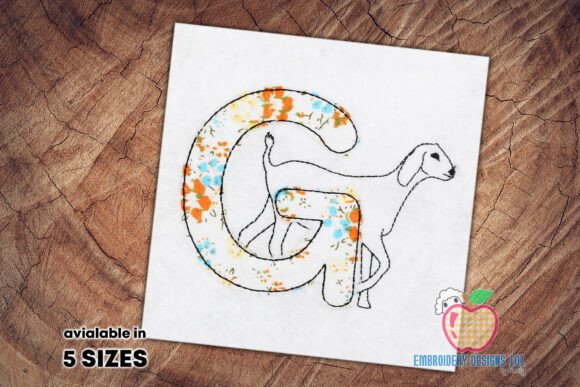
As an experienced embroidery designer evaluating assets for commercial production, I approach every machine embroidery design with a critical eye toward durability, brand alignment, and production efficiency. When reviewing the Alphabet G with Goat Applique for small business merchandise, my primary focus shifts from simple aesthetics to functional versatility. This design, featuring a green letter G accompanied by an orange goat, is originally categorized under School products for phonetic learning. However, for apparel decorators, Etsy sellers, and boutique owners, this asset presents unique opportunities for niche branding, provided it is applied with strategic intent.
Visual Personality and First Impressions
The immediate impression of Alphabet G with Goat Applique is undeniably playful and rustic. The color combination of green and orange suggests an earthy, organic palette that resonates well with specific market segments. For a professional embroiderer, this colorway signals suitability for businesses rooted in nature, agriculture, or artisanal crafts. It does not read as corporate or sterile; rather, it communicates warmth and accessibility.
From a technical design perspective, the integration of the goat around the letter creates a cohesive silhouette rather than two disjointed elements. This is crucial for brand identity. When used for small business merch, the design feels handmade and intentional. The appliqué technique adds texture and dimension that flat embroidery cannot achieve, giving the finished product a premium, tactile quality that customers associate with high-value custom goods. However, the whimsical nature means it must be paired with appropriate typography and branding elements to avoid looking juvenile in a commercial setting.
Strategic Applications for Small Business Merch
While categorized for educational use, this digital embroidery file has significant crossover potential for specific industries. As a reviewer, I see three distinct avenues where this design performs exceptionally well in a commercial context:
- Farm-to-Table and Agricultural Brands: For local farms, petting zoos, or farm stands, the goat motif is literal and effective. Using the 6-inch or 8-inch size on canvas tote bags or heavy cotton aprons creates instant thematic recognition. The green and orange thread colors complement natural linen and denim fabrics often used in these sectors.
- Children’s Boutiques and Handmade Toy Makers: Etsy sellers specializing in personalized children’s items can utilize this design as a signature mark. On a bib, blanket, or plush toy tag, the Alphabet G serves as both a decorative element and a personalization option for names starting with G. The soft texture of appliqué is safer and more comfortable against skin than dense satin stitching.
- Creative Studios and Craft Workshops: For businesses hosting fiber arts classes or nature-based workshops, this design works as a staff uniform accent or student gift. It bridges the gap between professional instruction and creative play, reinforcing the studio’s ethos without requiring a complete logo redesign.
In these scenarios, the design functions as more than decoration; it becomes a visual shorthand for the business's values. Whether applied via apron embroidery or as a standalone patch, it builds customer trust through consistent, thematic imagery.
Technical Considerations and Production Limitations
Despite its charm, Alphabet G with Goat Applique requires careful handling during production. As a machine appliqué design available in sizes from 4 inches to 8 inches, there are physical limitations that decorators must respect to maintain quality.
Hoop Size and Scaling Integrity
The design comes in five preset sizes. I strongly advise against manually resizing this file outside of these parameters. Appliqué relies on precise placement lines and tack-down stitches. Shrinking the 4-inch version below its intended dimensions can cause the fabric pieces to shift, resulting in frayed edges or exposed raw material. Conversely, enlarging beyond 8 inches may leave gaps in the satin borders. Always confirm your hoop size matches the selected design variation before hooping fabric.
Fabric Texture and Stabilizer Selection
Because this design uses appliqué, the base fabric texture plays a massive role in the final outcome. Smooth, tightly woven fabrics like twill, poplin, or quilting cotton provide the best foundation. Highly textured fabrics like terry cloth or loose knits can swallow the detail of the goat’s features. For commercial embroidery on challenging substrates, use a cut-away stabilizer to prevent puckering. If producing embroidered patches, ensure the backing material is stiff enough to support the appliqué layers without warping.
Cap Embroidery Challenges
Using this design for cap embroidery requires extreme caution. The 4-inch size is likely too tall for most structured cap fronts, which typically accommodate designs up to 2.5 inches in height. Attempting to force this design onto a curved cap surface could distort the letter shape and compromise the registration of the appliqué fabric. Unless you have a specialized cap frame and can verify the fit within the safe embroidery area, I recommend reserving this design for flat surfaces like chest panels, sleeves, or tote bags.
Impact on Brand Value and Customer Engagement
In the competitive landscape of handmade products and local business merchandise, visual consistency drives recognition. Alphabet G with Goat Applique offers a distinct advantage over generic clip art because of its specialized construction. The interplay between the letterform and the illustration creates a memorable visual anchor.
For businesses targeting families or eco-conscious consumers, this aesthetic aligns with buyer expectations of authenticity. A well-executed appliqué design signals that the business invests in quality materials and skilled labor. This perception directly influences product value. Customers are often willing to pay a premium for custom apparel that features complex, textured embroidery compared to standard printed merchandise. Furthermore, when used across multiple touchpoints—from packaging accents to staff wear—it reinforces a cohesive narrative that enhances buyer engagement and loyalty.
Designer Notes for Commercial Implementation
Before adding this embroidery file to your production lineup, adhere to the following professional workflow to ensure client satisfaction and minimize waste:
- Verify Licensing: Although categorized as "School," confirm the specific commercial licensing terms included with your purchase. Ensure you have the right to use the design on merchandise for sale versus internal business use only.
- Test Stitch-Out: Never run a production batch without a test sew-out. Use the exact fabric and stabilizer combination intended for the final product. Inspect the registration of the appliqué fabric against the satin outline.
- Evaluate Thread Contrast: The specified green and orange threads may need adjustment depending on the garment color. Test thread colors against dark uniforms or bright merchandise to ensure the design remains legible. You may need to add a white outline or shadow to separate the design from similar background colors.
- Create Printable Mockups: Before committing to production, generate a printable mockup or digital preview for client approval. This manages expectations regarding size and placement, especially since appliqué has a different visual weight than standard embroidery.
- Check Wash Durability: If the item will be laundered frequently (like aprons or kids' clothing), test the wash fastness. Ensure the appliqué adhesive and tack-down stitches hold up after multiple cycles. Recommend proper care instructions to end-users to preserve the design's integrity.
- Compare Design Assets: Place this design beside other branding elements in your library. Does the style match your existing logos? Visual consistency is key. If the goat illustration clashes with your current minimalist aesthetic, it may not be the right choice despite its technical quality.
By treating Alphabet G with Goat Applique as a serious commercial asset rather than just a novelty graphic, small business owners and embroiderers can unlock its full potential. Success lies in respecting the technical constraints of appliqué while leveraging its unique charm to build a distinctive, trustworthy brand presence in the marketplace.